
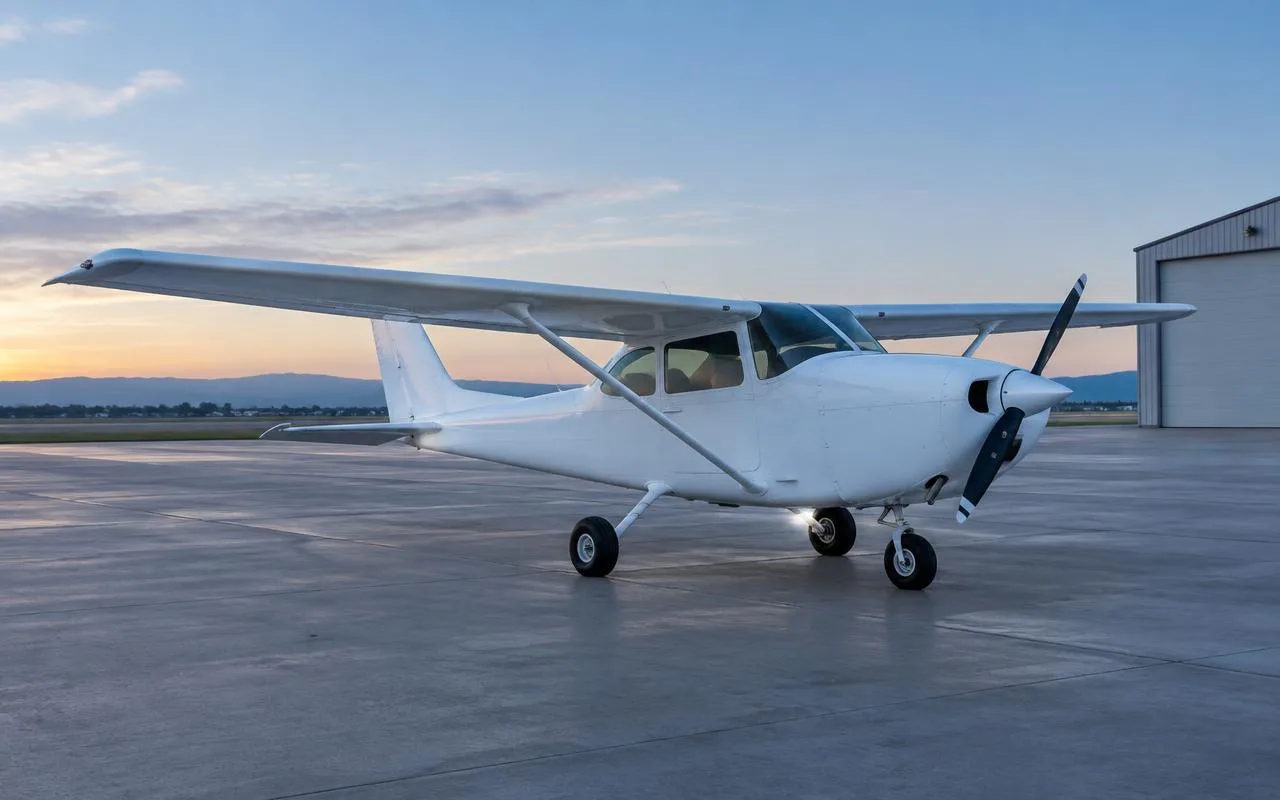
Flight training (ATOs)
Where we start. R/T and MCC training with objective, per-student feedback.
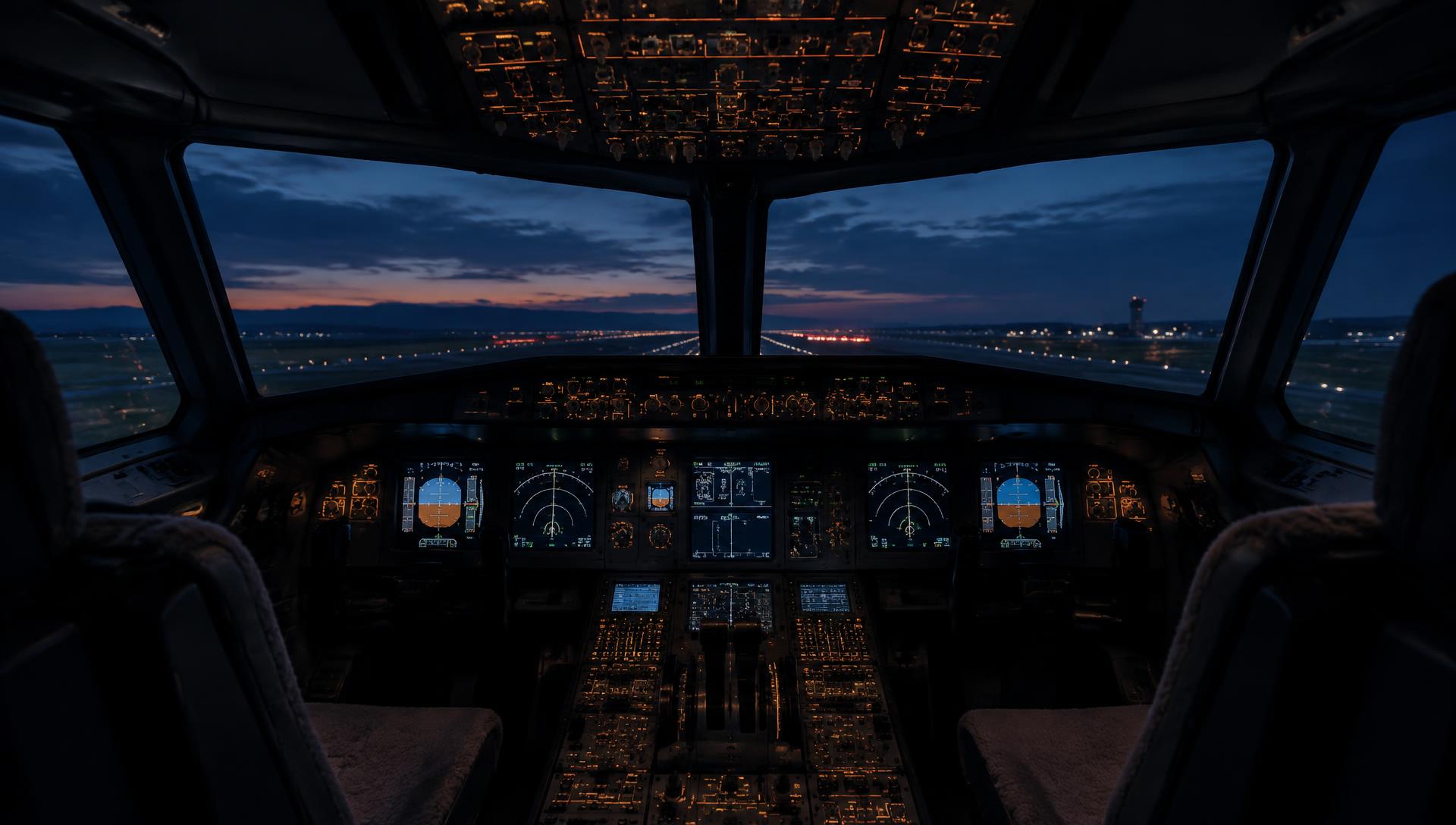
Communication intelligence for the flight deck
Voice is still the most critical and least digitised interface in aviation. Auvio turns ATC radio and crew communication into structured, checkable data. We start with debrief after flights and sim sessions, and build towards real-time support on the flight deck.
TWR · 118.705
Flight deck · Intercom
Vision
Aircraft, airspace and maintenance went digital decades ago. Voice did not.
Thousands of safety-critical exchanges happen every hour, and almost none of them are captured, measured or learned from. Auvio builds the layer that changes that.
Two channels, one layer
Both channels are equally core to Auvio. Safe flying depends on each of them.
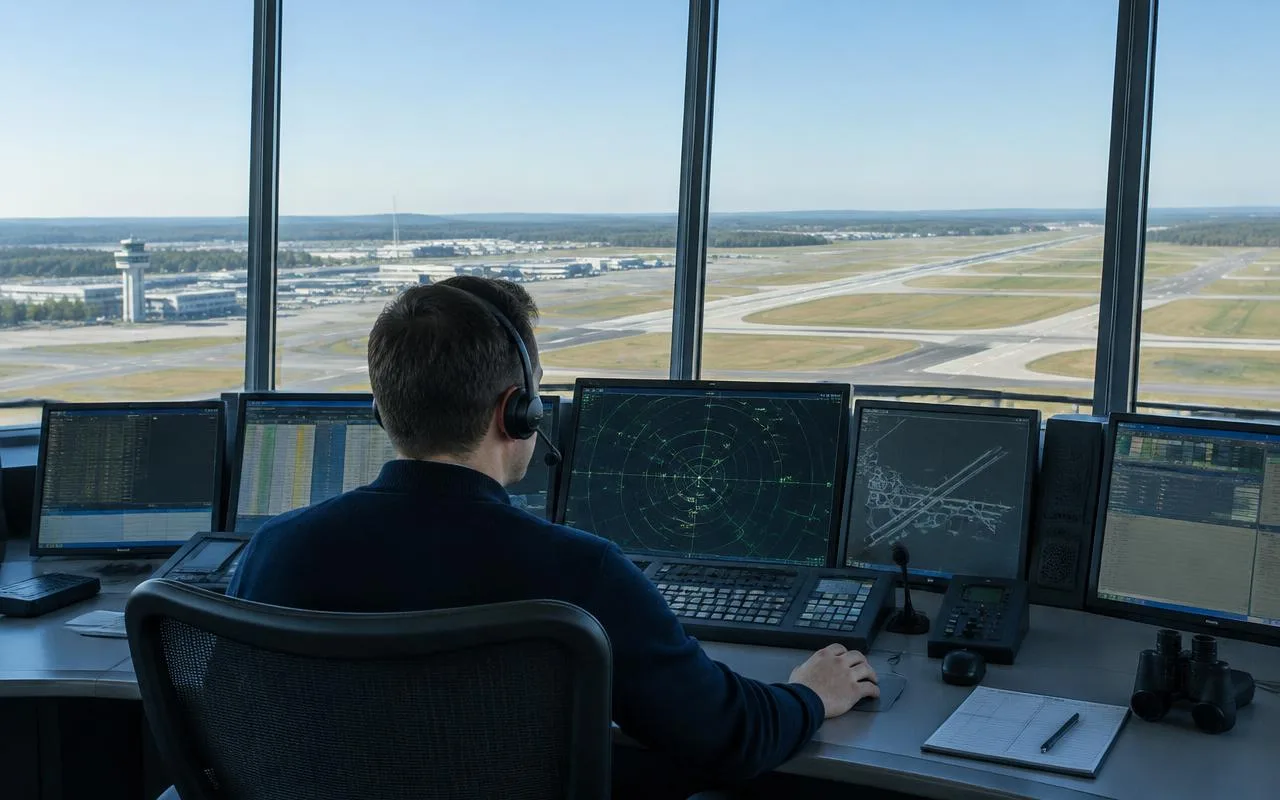
Radio between pilots and air traffic control.
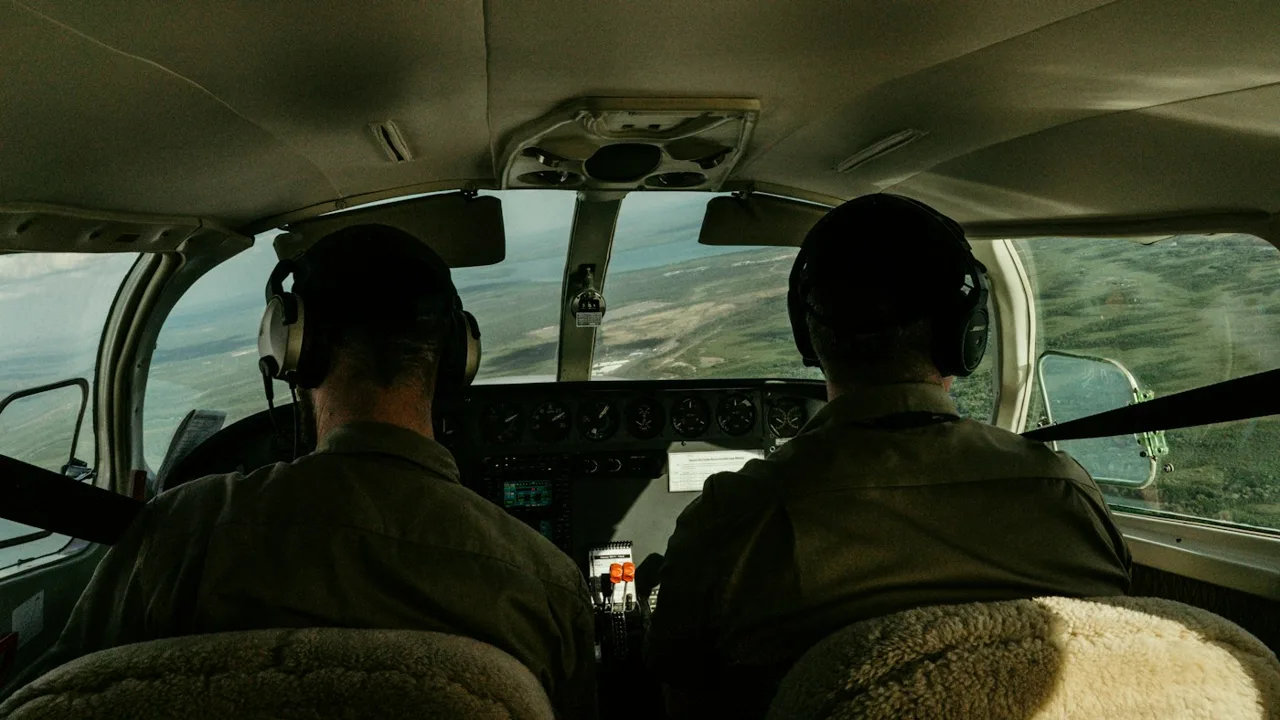
The conversation between the two pilots on the flight deck.
Starting with training. Built for aviation.
Where we start. R/T and MCC training with objective, per-student feedback.
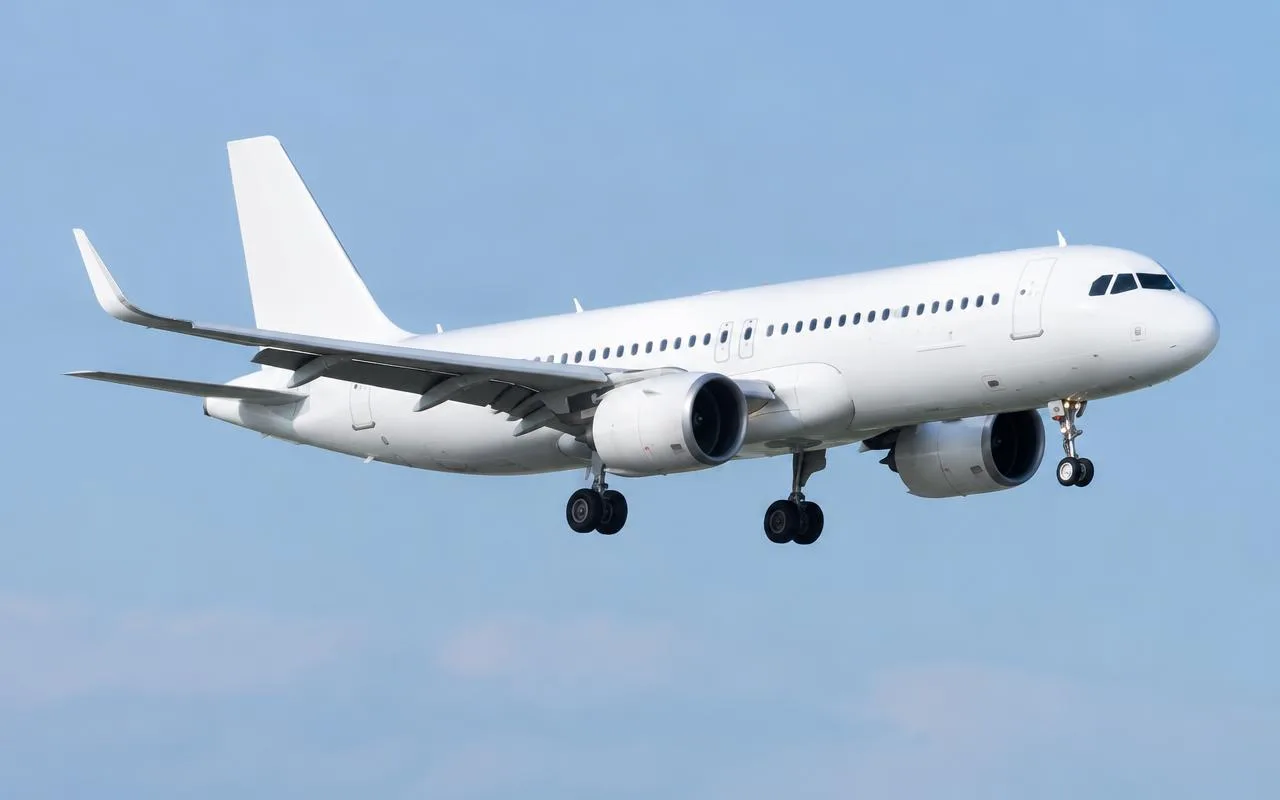
Type rating, recurrent and LOE/LOFT sim training, plus line operations insight for training and safety teams.
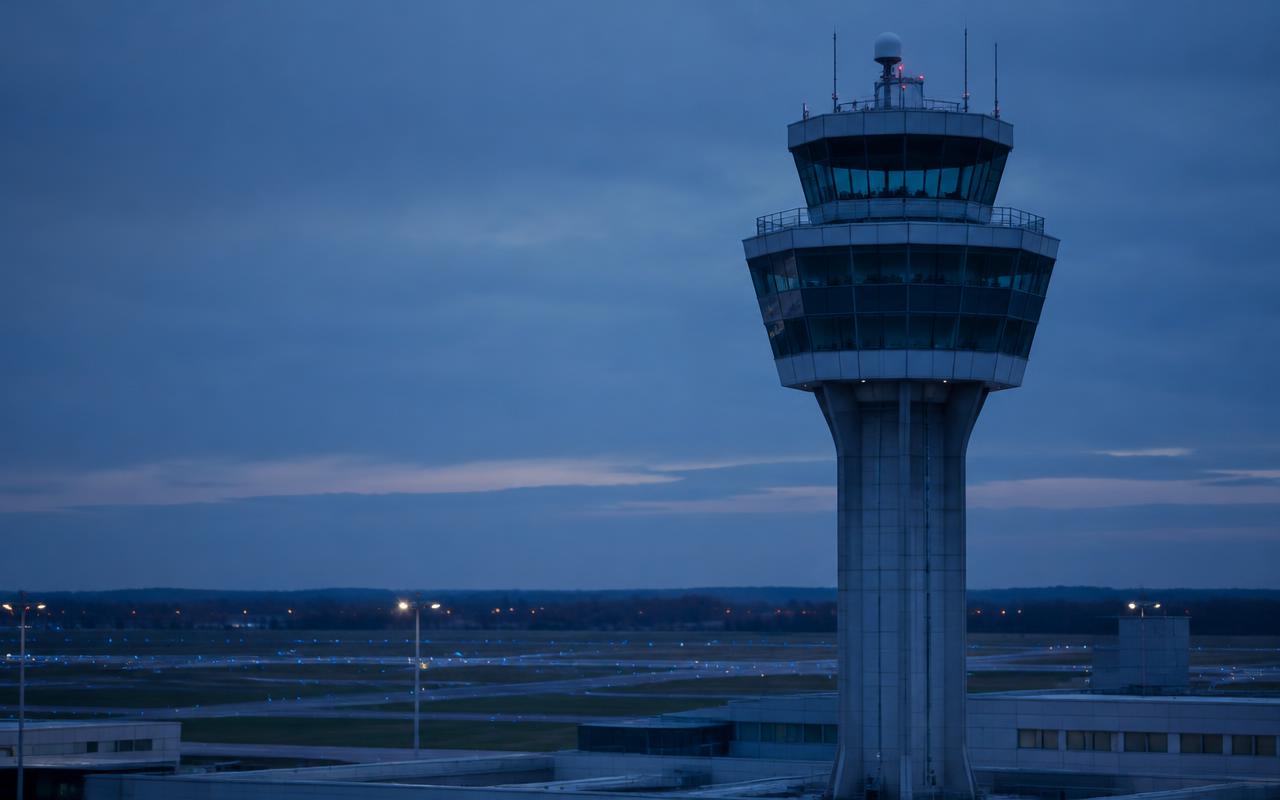
Readback and hearback errors seen from the other side of the frequency. Objective insight into pilot and controller exchanges for training and safety teams.
Why Auvio
Aircraft-agnostic. One solution across manufacturers, types and ages, with no aircraft integration required.
Speech models tuned for VHF static, intercom, engine noise, accents and ICAO phraseology. Generic speech AI misses what matters here.
Checked against your own SOPs, checklists and callouts, not just the phraseology book.
See howPersonal conversations between crew members are detected and discarded, never stored. See below.
The context layer
Every operator flies differently. Auvio lets each customer load its own SOPs, checklists and callouts, on top of a standard ICAO and MCC baseline. Communication is checked against your procedures, so you see what matters for your operation.
Load your SOPs
Auvio builds your rule set
Every session checked against it
Privacy and trust
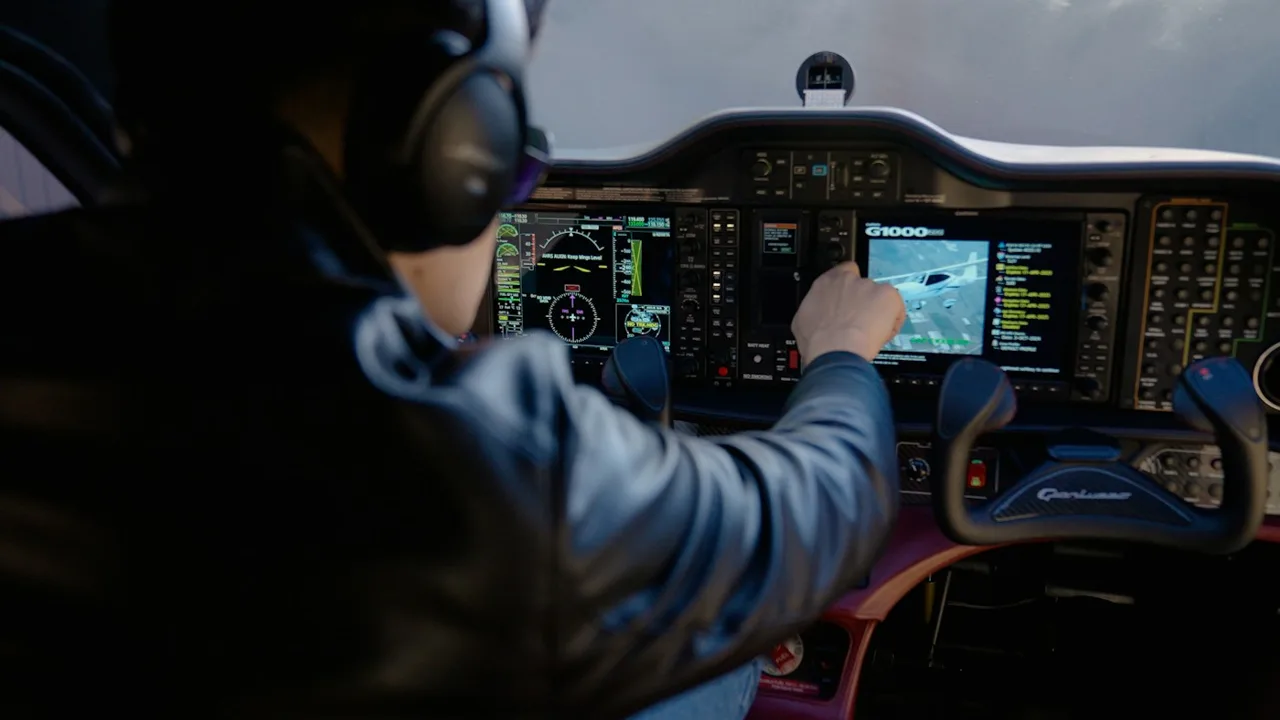
In developmentPilots are people, and not everything said on the flight deck is operational. Auvio recognises non-operational conversation and discards its content immediately. No transcript or recording of it is ever kept.
Flight deck · Intercom
Concept previewPF: "Flaps one."
PM: "Speed checked, flaps one."
████████ ████ ███████
Non-operational conversation · 00:42 · content discarded
Sterile flight deck · Approach, below 10,000 ft
Complementary perspectives
Existing tools either look back after an incident or sample a few flights. Auvio covers every session, starting with debrief and moving towards real time.
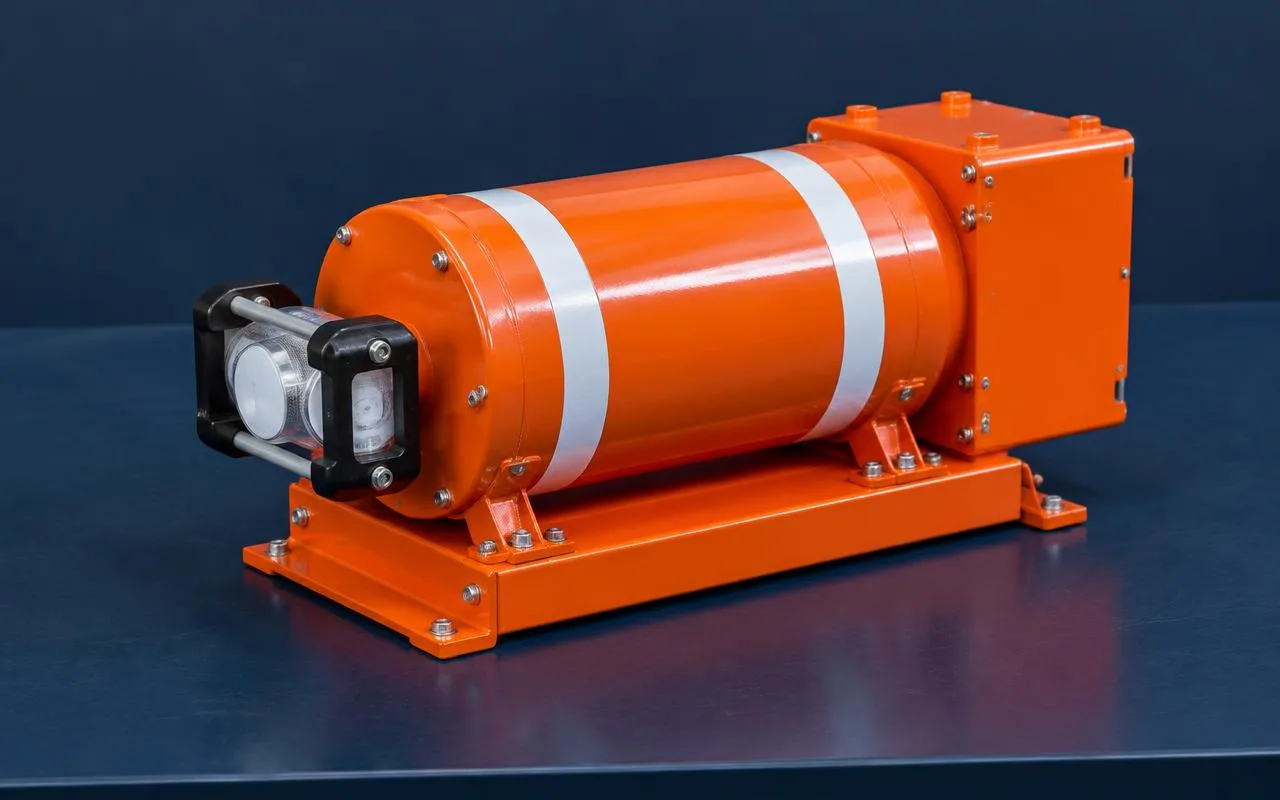
How it works
01
Speech models built for the cockpit: VHF static, intercom, engine noise, accents, ICAO phraseology and SOP callouts.
"…climb altitude three thousand…"02
Clearances, readbacks, crew callouts, checklist items and who said what become structured events you can search and verify.
{ cs: "OO-ABC", alt: 3000 }03
Feedback for students, insight for instructors, and over time a safer, more consistent voice channel.
readback_ok: false → debriefRoadmap
Every ATC exchange and crew callout reviewed after flights and sim sessions. Built with our founding flight training partners.
Trends across crews, routes and procedures for airline training and safety teams, checked against each operator's own SOPs.
Live readback checks and callout monitoring on the flight deck, as a second set of ears for the crew.
Real-time use on the flight deck will follow the applicable aviation approval processes.
Data flywheel
Every reviewed transmission makes the model better. Partners who shape the data shape the product, and get the sharpest version first.
First market: flight training
R/T and crew communication are among the hardest skills for student pilots and among the hardest for schools to measure. Auvio is being built to help instructors review ATC exchanges and crew callouts after every sortie or sim session.
Auvio is built by founders with a track record in applied AI, including a previous exit, and a lifelong connection to aviation.
Occasional updates on our progress, pilots and launch. No spam.